
Why this matters for executive search & governance
High-stakes appointments require more than CVs, references and curated bios.
Hidden narratives
Senior candidates curate polished narratives: CVs, bios and nomination packs hide as much as they reveal.
Deeper due dilligence
Governance codes expect deeper due diligence on appointments, especially for Chairs, NEDs and regulated roles.
Discreet vetting
Early-stage vetting must be discreet. Candidates cannot know they’re being reviewed.
Fast research
Manual OSINT research is slow, inconsistent and difficult to defend in front of committees.
Reputation protection
A single wrong appointment exposes boards to regulatory, reputational and financial risk
See sample report
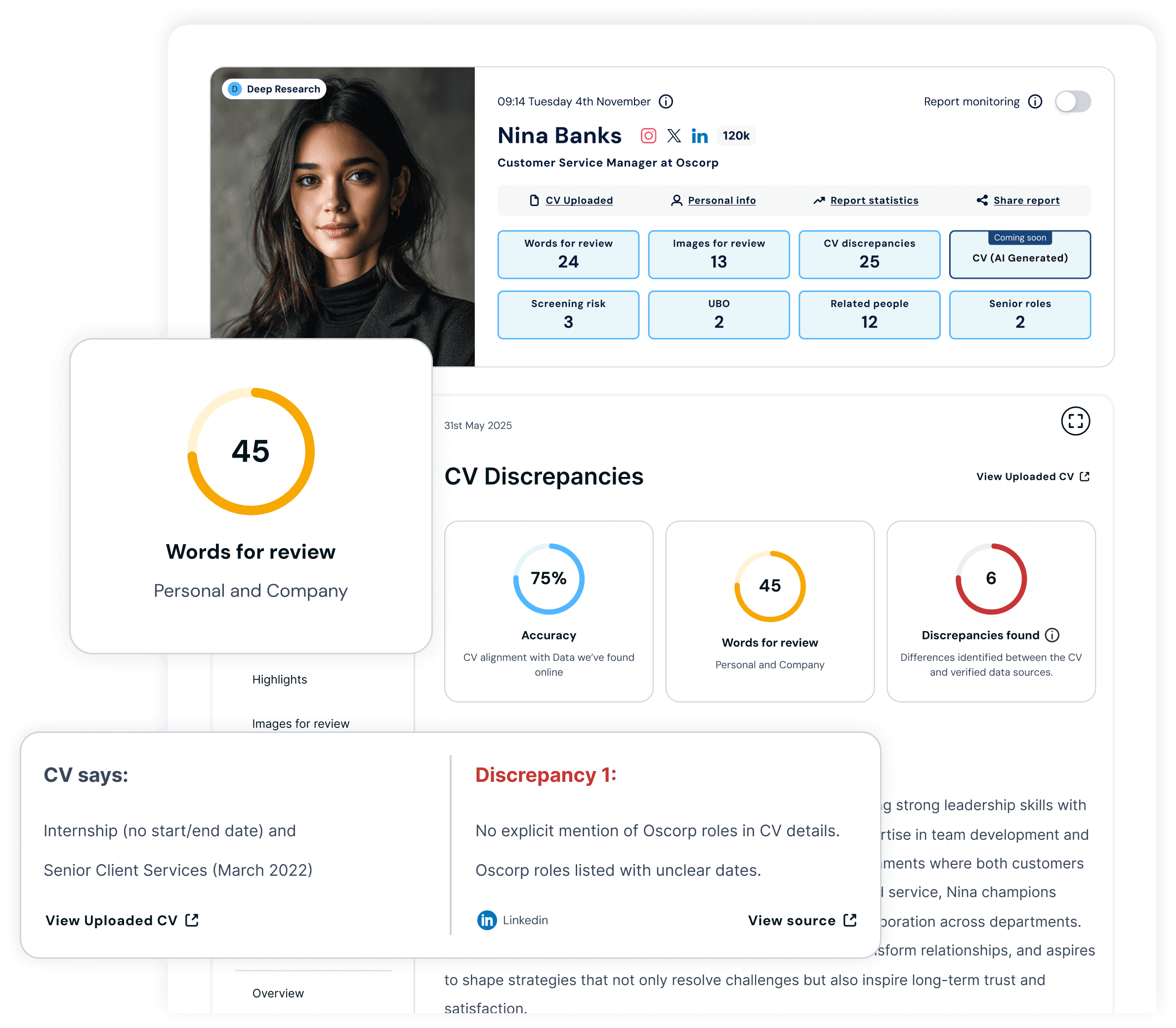
Candidate materials tell part of the story. YOONO reveals the rest.

How YOONO supports executive search & governance
YOONO gives search partners and governance teams a consistent, defensible way to understand senior candidates before interviews, shortlists or board discussions.
A single Deep Research report replaces hours of manual searching and inconsistent outputs across consultants.

How YOONO supports due diligence
Turn slow, manual people-research into a consistent and defensible workflow.
1
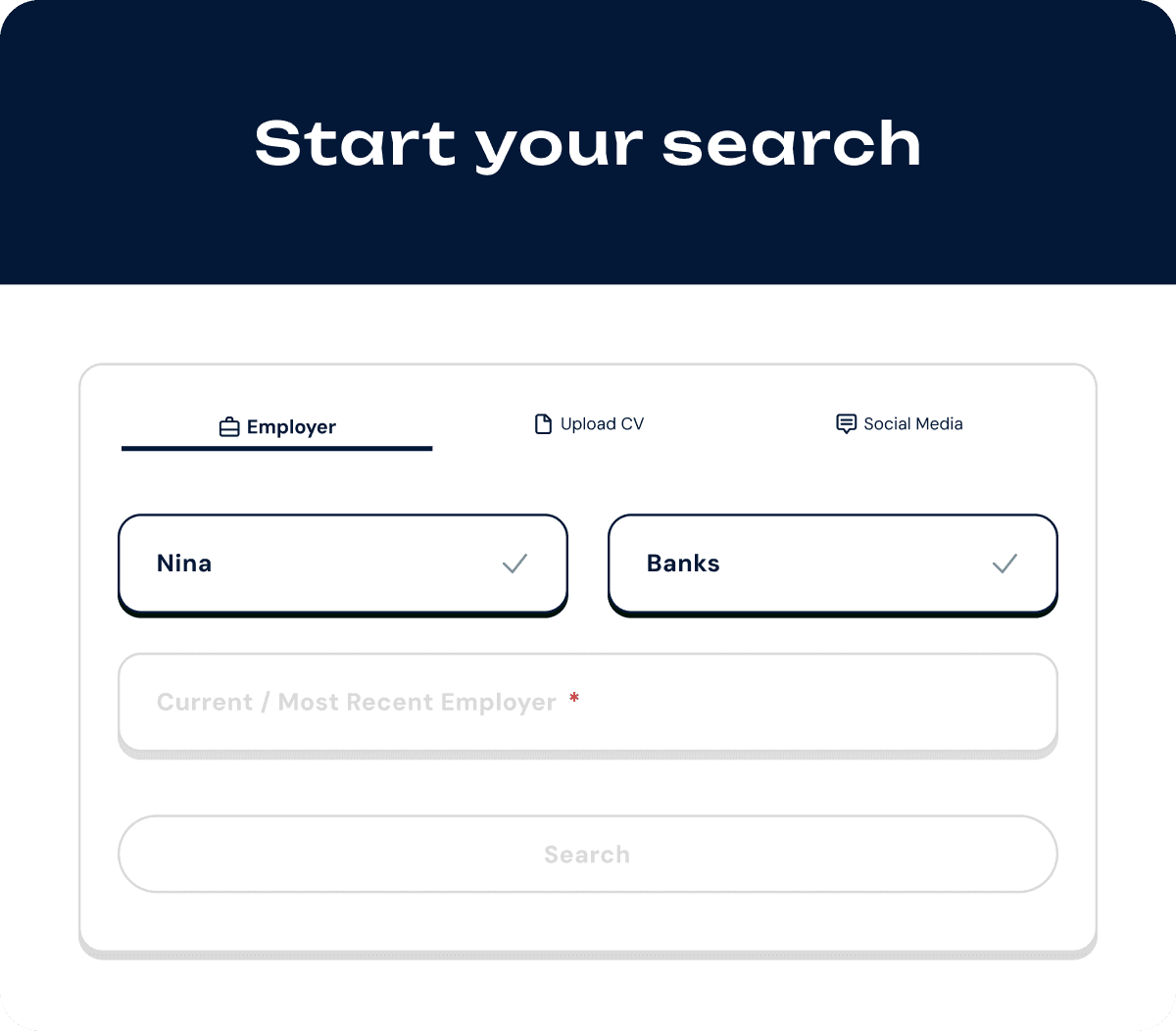
Submit the subject
Enter a name and any known associated roles or companies. YOONO identifies the correct individual, even in complex career histories.
2
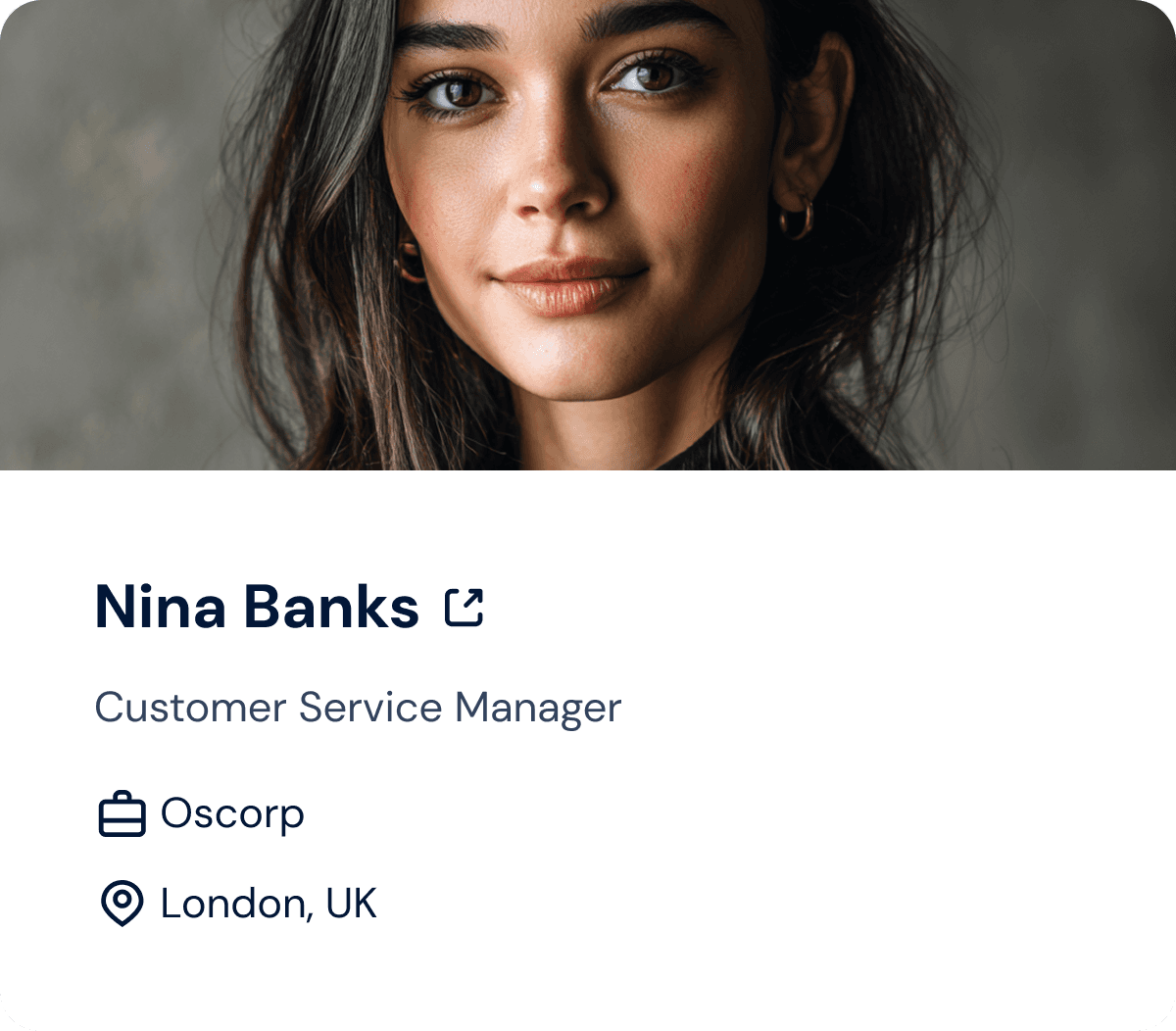
Deep public-data intelligence
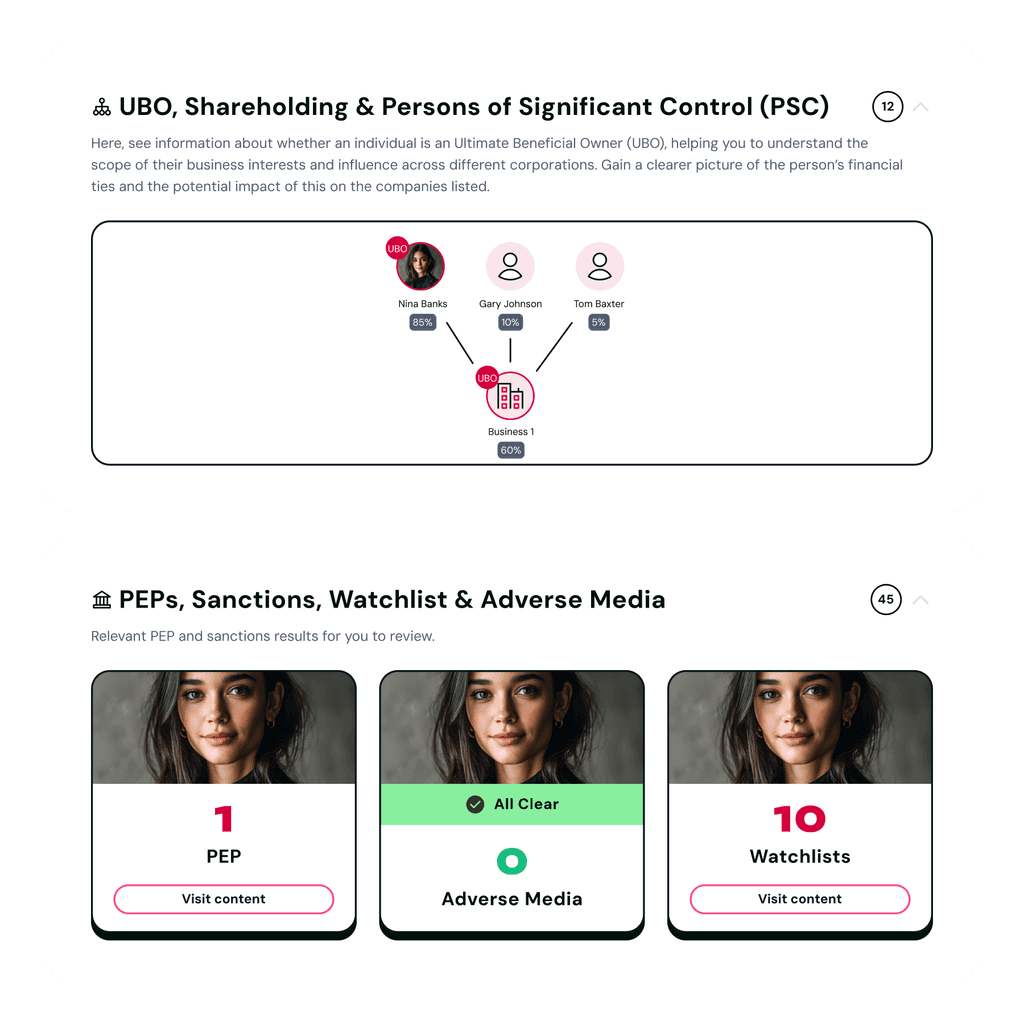
Corporate records, networks, media, ownership, appointments, regulatory references and reputational signals. All analysed in minutes.
3
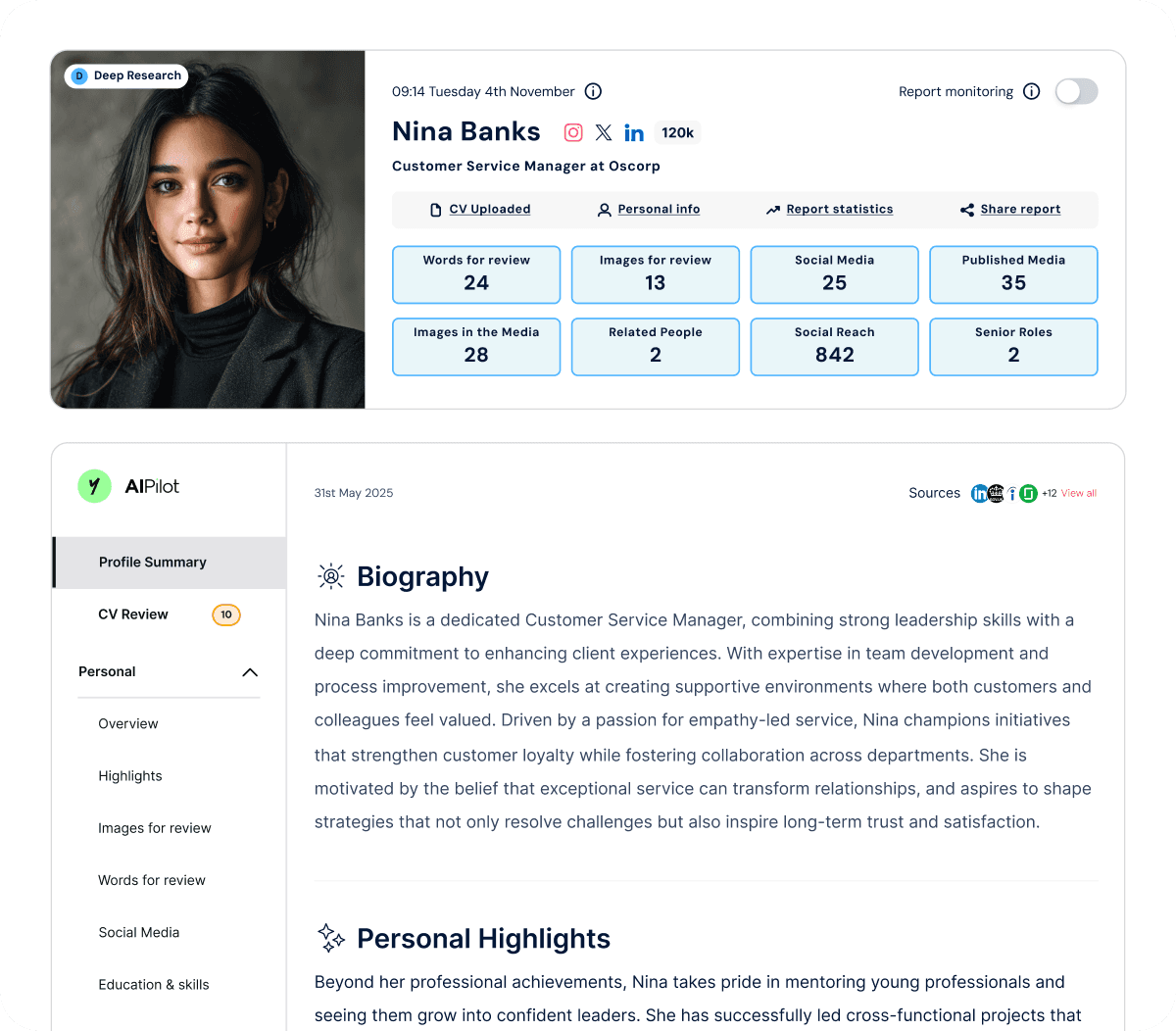
Audit-ready report
A structured, defensible report for search partners, CoSec, governance teams and board committees making high-impact decisions.
Why executive search & governance teams rely on YOONO
Public-data intelligence that strengthens your decisions, your governance, and your audit trail.
Run discreet, no-consent checks.
Vet candidates without contacting them or signalling interest.
Ideal for Chairs, NEDs, regulated roles and sensitive succession planning.
Maintain search confidentiality and candidate privacy.


Validate self-reported information.
Compare CVs, nomination packs and bios against verified public records.
Spot missing roles, conflicts, gaps or embellished histories.
Verify track records and role timelines before presenting shortlists.
Avoid governance and regulatory exposure.
Demonstrate proportionate “reasonable steps” on high-stakes appointments.
Produce consistent, audit-ready insights for boards and committees.
Reduce dependence on fragmented manual research.

Replace manual OSINT.
Automate hours of Google, LinkedIn and registry checks.
Eliminate research inconsistency across consultants.
Free partners to focus on judgement, not data gathering.