

With the widening use of AI in recruitment, as part of interviews and background checks, there is growing talk about the role of bias in hiring, and whether AI eradicates or exasperates the problem.
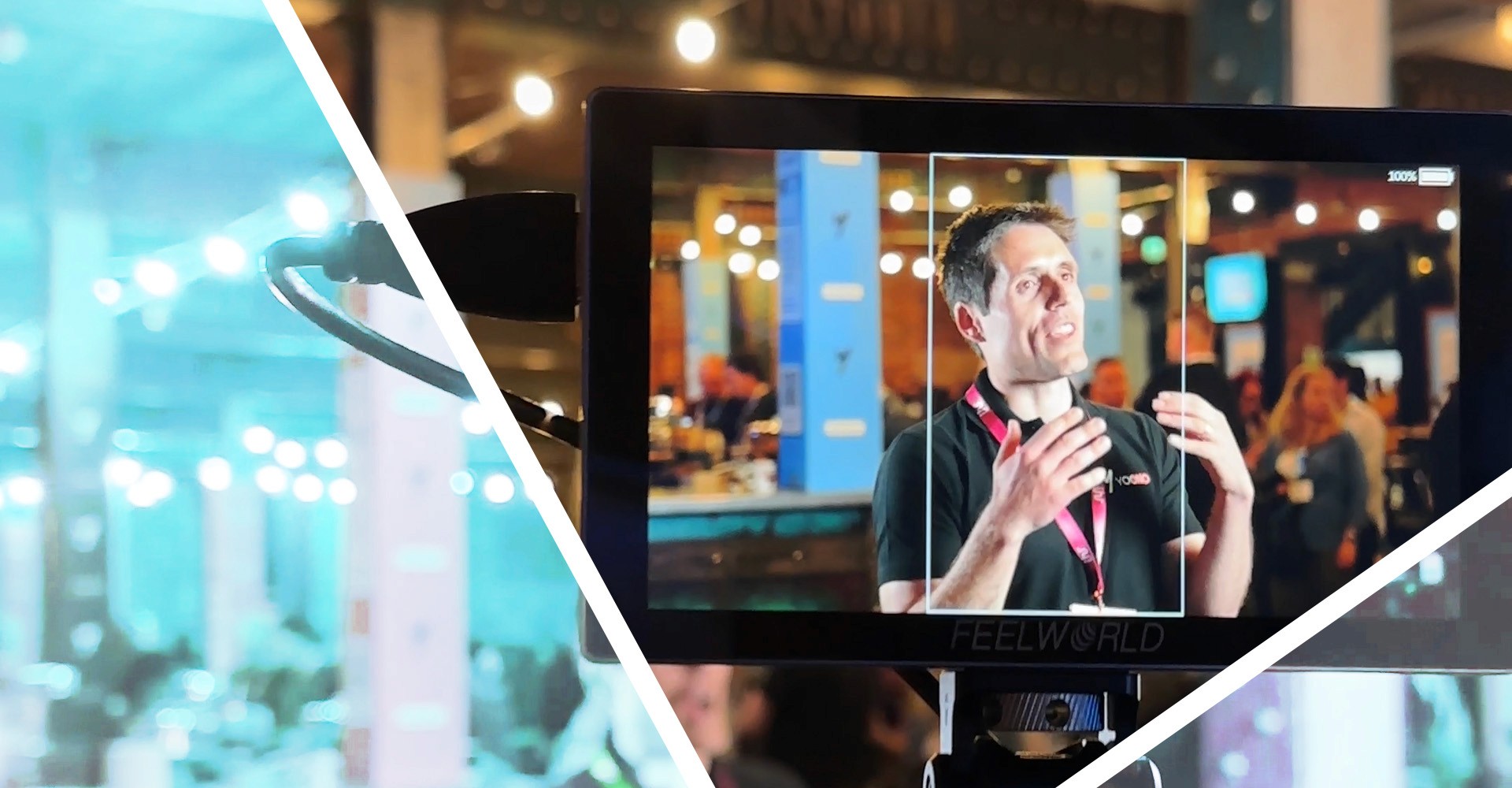
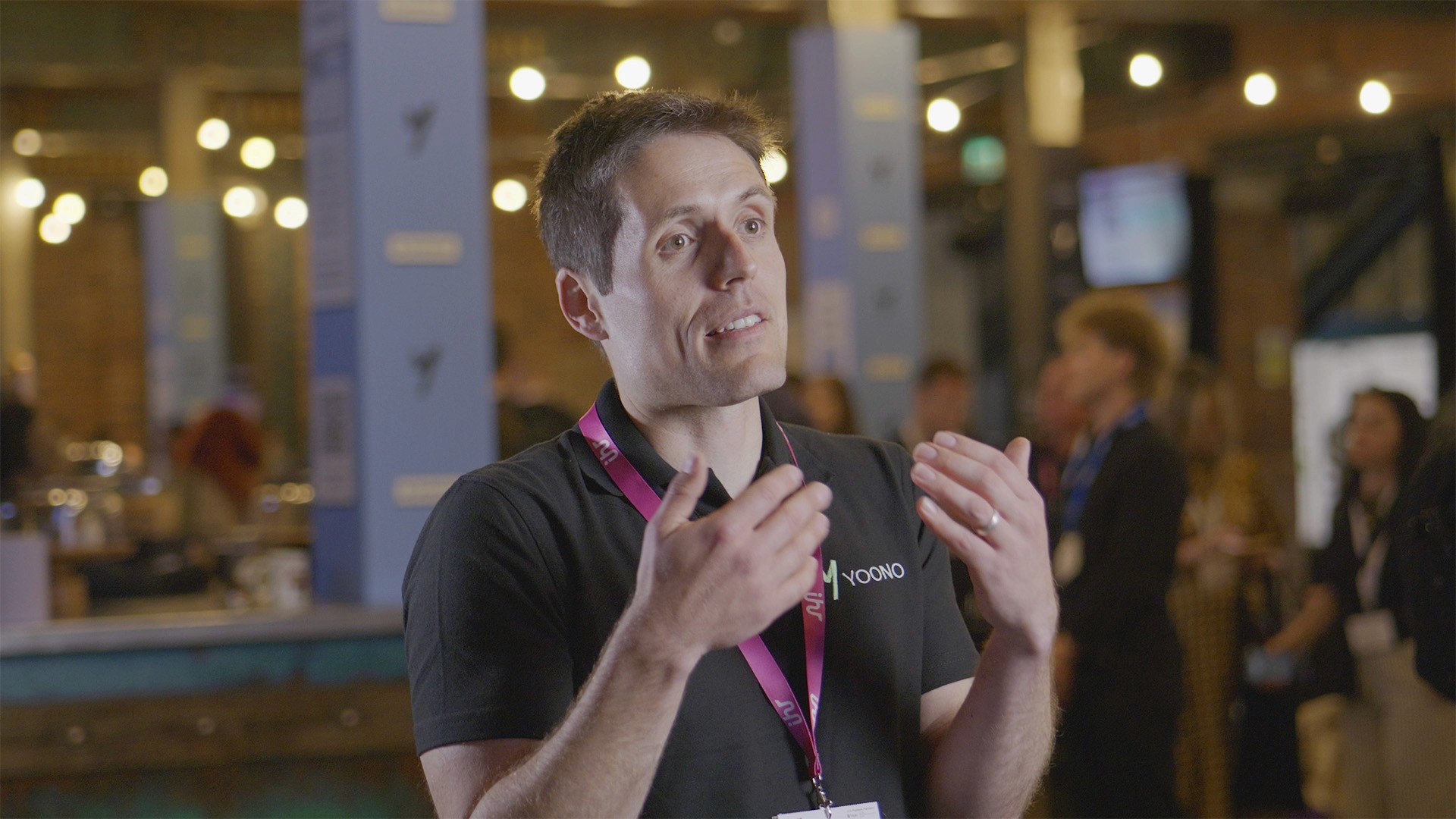
In this article, James Clark, Chief Legal Officer at YOONO takes a deep-dive into the current state of hiring, discusses whether smart tech has the power to reduce bias, and suggests practical steps for implementing a fairer hiring process.
Bias—and tech-forward methods to reduce it—is the most pressing and crucial topic in recruitment. With an increasing number of industries demanding that hiring be as fair as possible, it’s essential for both recruiters and employers to ensure that bias is actively limited in the way they hire. With the introduction of new technologies, such as AI, there are both opportunities to reduce bias, and potential pitfalls that may undermine your efforts, so it’s essential to be aware of every possibility.
Here, we’ll take an overview of bias in hiring, how to take steps to reduce bias in your business, and predict what the future might hold in this field.
Bias in hiring: An overview
As humans, we are inherently biased creatures. Perhaps we surround ourselves with people who are more like ourselves, or maybe we are less likely to trust someone from a certain background. These biases could be conscious or unconscious, but if unchecked, they work behind the scenes to create a more unequal culture, in the workplace or in society at large. It may feel uncomfortable to address your own biases head-on, but the more you are aware of your own biases, the more likely you are able to recognise and implement positive change.
Bias in hiring is commonplace. An employer might prefer to hire someone with a university degree over an individual with an apprenticeship, even if the latter has the perfect skillset for the job, or maybe a business is less likely to take on an older employee over a younger one. These biases lead to serious discriminations, which impact on the fairness of the hiring process and the opportunities available for job seekers. From a business perspective, companies are missing out on a huge pool of talent and skills by allowing biases to go unchecked, and also risk serious legal consequences if they fail to actively eliminate discrimination.
Reducing bias is, in short, better for everyone, but before we can take practical steps to reduce it, it’s good to know how bias commonly manifests in hiring.
What is unconscious bias in hiring?
Unconscious bias is founded on years of social experience and conditioning, which can make it difficult to spot and eradicate. Our backgrounds, experiences and interactions with others shape our unconscious biases over time, which we then take into our work and hiring dynamics.
For example, an employer might be more likely to hire someone based on a strong first impression, such as an articulate way of talking or physical appearance, rather than on their overall suitability for the job, sometimes termed the halo effect.
Affinity bias is when an employer is more likely to hire someone like themselves, who perhaps share a similar educational background or interests. This can lead to an echo chamber effect within a company, in which only the same ideas circulate, leading to possible stagnation and a clique-like mentality.
Unconscious bias can be reduced through actions like standardised interview questions, or panel hiring with diverse panel members. It is also important to make everyone within a business feel equally involved and heard, and not give prominence to only those who the employer feels have more value due to their background alone.
Data-led background screening tools like YOONO can also help a recruiter or employer go beyond initial, unconscious reactions to candidates, and see a more complete picture of the whole person.
What is conscious bias in hiring?
While unconscious bias can seep into the hiring process unchecked, and can be rectified with better processes in place (see below), conscious bias is arguably more serious, and can have far-reaching consequences for both businesses and candidates.
When we talk about bias from a legal perspective, the main risk is that a company engages in unlawful discrimination, on the basis of a characteristic such as ethnicity, age or gender, which is protected under the Equality Act 2010.
If an interviewer, recruiter or employer actively discriminates against a job-seeking individual or employee, under the criteria covered by the Equality Act, they could be at serious risk of the affected individual lodging a complaint and pursuing legal action.
It’s important to know that companies have a legal duty, under the Equality Act, to take steps to prevent discrimination—not only by refraining from unlawful behaviour, but by fostering a work and service environment that actively promotes equality. We’ll look at more practical ways companies can do this, but a couple of examples might include using a bias-free background screening tool during the hiring process or assigning an in-house inclusivity officer.
Bias-free hiring: Does AI help or hinder?
AI is fast transforming the recruitment industry, and the world at large, but does it help or hinder businesses’ efforts to reduce bias? In many ways, it presents a positive step forward, but there are potential issues to be aware of, which we’ll go into more detail here.
Are AI models inherently biased?
One of the most common concerns relating to emerging AI tech is its reported ability to magnify and perpetuate existing human bias. This could be detrimental to the fairness of hiring if used without consideration. There could be a risk that some AI models are 'inherently biased' because the datasets they have been trained on are not representative and/or incorporate existing biases held by the people who created that data in the first place.
For example, an undesirable (but possible) scenario would be that an employer uses an ‘interview bot’ to conduct an online interview, but without checking whether the provider of the technology has placed bias-free modelling front-and-centre in the development process. What if the bot asks non-standardised questions to different candidates? Or what if answers that are more emotive are graded at a lower level than more formal answers? It’s entirely possible that the interview bot could introduce bias into the process, but the employer is trusting that the assessment they receive of each candidate is objective.
However, not all AI models are inherently biased, and some which have been ethically designed are quite the opposite. If the developer of the AI tool is conscious about reducing bias while building the product, this will be reflected in the final result. It really comes down to the quality of the AI model, and the thought process that has been invested into its design.
How can background checks be bias-free?
As we have touched on above, it is entirely possible for AI models to be built with bias mitigation in mind, and this extends to tools that may use AI technology, such as interview apps and background check software.
As an example, YOONO, which is an AI background research tool, has been developed with the specific aim of mitigating bias in background checks with source data carefully managed and the user able to anonymise personal information in an individual’s report. YOONO has also been developed to reduce duplicated information and surface older but still relevant information, which may otherwise give an impression of an individual that is heavily one-sided.
When selecting a background screening tool, it is important for you as the user of the tool to make an assessment of whether the tool has been developed responsibly and ethically, with bias mitigation in mind. Many hirers unknowingly select software which may use dubious data sources, including private data sources, which may impact on the fairness of the background check. Choose responsibly, and use with confidence!
How can businesses make the way they hire employees fairer?
We all know that hiring should be fair, and that companies should strive to reduce bias in how they hire, but what does this actually look like in practice? These easy-to-apply tips can help you to start on the right foot, and make bias mitigation a natural part of bringing new people onboard.
Advertise jobs widely and in places that may be ‘atypical’. Many businesses that allow bias to go unchecked in the way they hire risk stagnating over time. Expand your potential talent pool by advertising roles on different stages. Apprentice colleges, community boards and LinkedIn groups can be a great way to broaden your hiring horizons and find hidden gems.
Introduce panel interview techniques, in which multiple individuals from a diverse range of backgrounds and seniority within the company conduct interviews. This prevents the interview becoming simply led by one person, and introduces different perspectives on a candidate.
Standardise interview questions, by using a pre-defined set of questions that are used for every candidate, reducing the likelihood of one interview steering a particular way that could introduce biased or nuanced answers.
Make sure your workplace matches your improved hiring process. Companies sometimes implement ‘bias-conscious’ hiring strategies but fail to address prejudice or discrimination within the workplace itself. This can leave new employees feeling isolated within the workplace, and can lead to negative consequences, such as work cliques and even a toxic workplace. So, practice what you preach! Strive to reduce bias and improve equality within the workplace, not just in how you hire.
Use bias mitigation technology, such as ethically-designed background screening tools, interview quiz software and HR tools that promote a more equal workplace.
Consider blind screening. Redacting personal information from resumes and applications can force reviewers to focus solely on skills and experience, rather than being influenced by subconscious biases related to demographic characteristics.
Document recruitment criteria and candidate scoring. By taking the time to clearly document the specific criteria against which candidates are being assessed, as well as a written assessment and scoring of how each candidate performs against those criteria, a company can strengthen the objectiveness of its decision making, and create important documentary evidence of a fair process.
Comply with rules regarding automated decision making. If you plan to automate parts of the recruitment process, such as candidate screening or down selection decisions, then ensure you comply with the strict rules around automated decision making in data protection laws like GDPR. This means being transparent with candidates about automated decisions, and providing candidates with the right to object to those decisions and to require a human review.

Can the future of hiring be bias-free?
With new hiring technology comes new opportunities and new risks, but there is certainly potential for the benefits of AI to outstrip any current concerns surrounding bias. As we have explored in this article, it is really all about how hiring software is designed and built, and the priority that bias mitigation takes as part of that process.
With careful product selection, employers and recruiters can be reassured that hiring can and will be fairer through considered use of data-led technology, reducing human bias and making the hiring process more equal for everyone. As an example, background screening product YOONO has placed bias mitigation front and centre as part of the design and development, with the aim of making reputation research as compliant and fair as possible, for both users and candidates.
The YOONO team have invested significant time in testing and refining AI models used as part of the background screening technology, in order to identify and mitigate potentially biased outcomes. If you’d like to see how the future of hiring can be bias-free, as well as efficient and thorough, why not begin a background search on YOONO to see its bias-conscious tech in action.